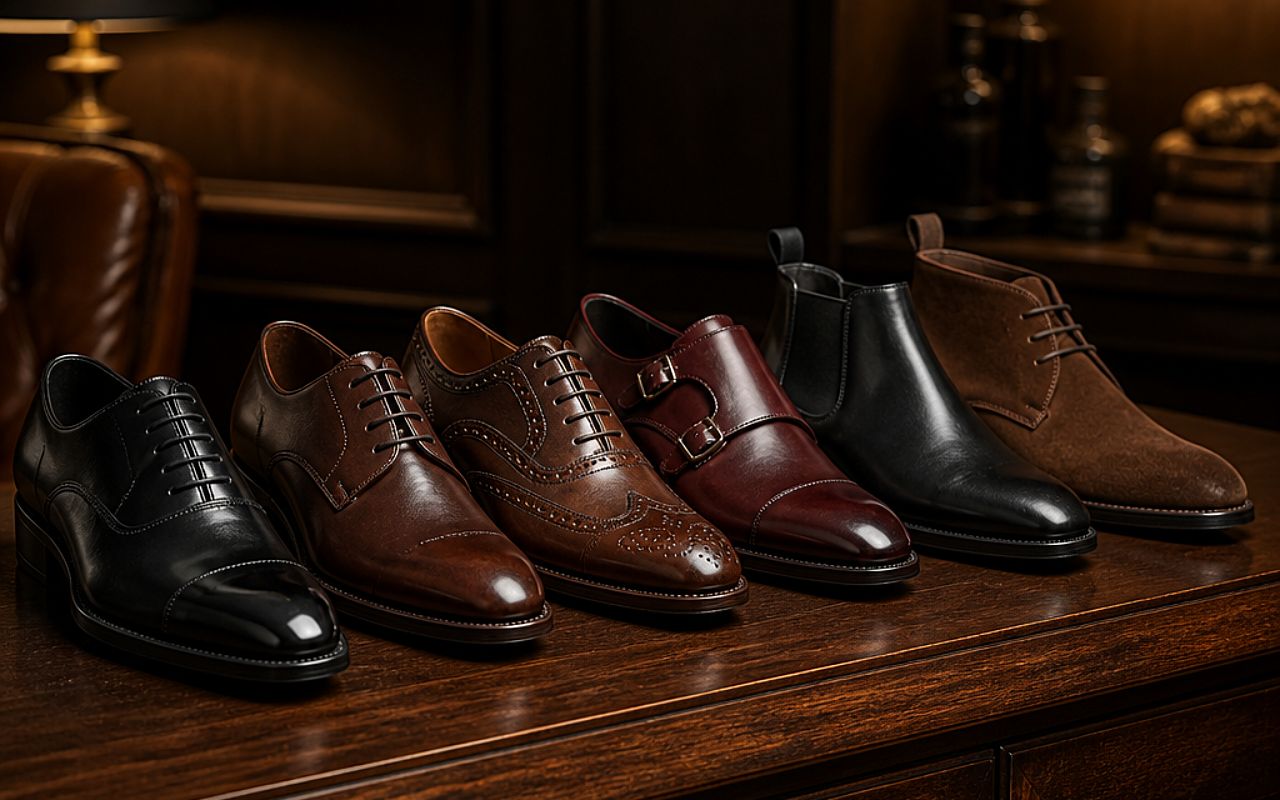
Your shoes can say a lot about how you walk: where you overload your feet, whether there are imbalances in your pelvis and posture, and how comfortable movement feels. Dmitry Maksimov, entrepreneur and founder of the Comfers brand, explains what footwear reveals about its owner.
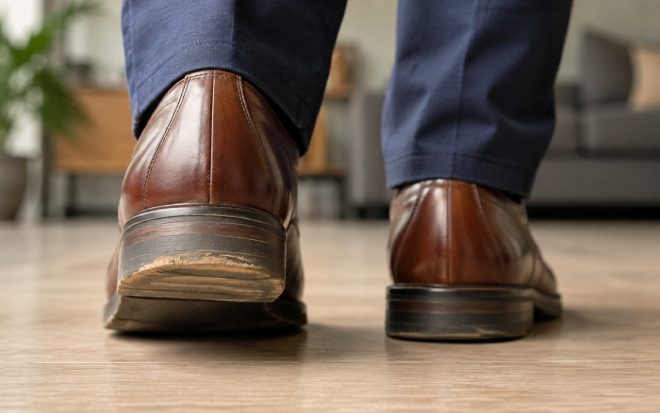
Over 24 years in orthopedic retail and later shoe development, I noticed that people often ignore how the sole wears down or how the heel gets knocked out of shape — even though it is almost a diary of movement.
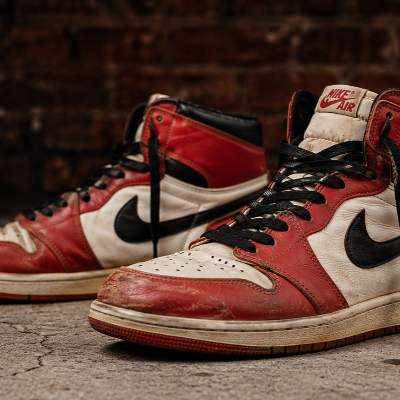
Let me be clear: shoes are not medical devices, and I am not a doctor. You cannot diagnose someone from a worn sole alone, but some patterns do show up. If the outer heel wears faster, that is very common. Most people strike the ground on the outer edge of the heel first, and that is normal. But if the wear is very pronounced and asymmetric — more on one side than the other — it can point to gait imbalances or to loading one side of the body more than the other.
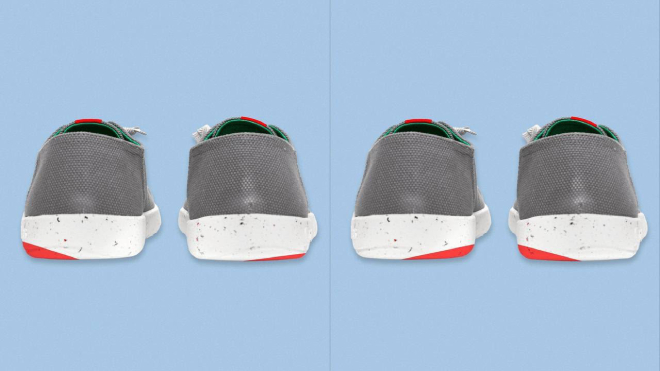
One interesting detail: asymmetric wear often correlates with which hand someone considers dominant — right-handers slightly more often load the right side, and that shows up not only in the shoulders but in gait too. The body is a remarkably consistent system.
If shoes wear heavily on the inside, especially near the arch, that can be a sign of excessive pronation — when the foot seems to roll inward. People often report tired legs, knee pain, or lower back pain after a few hours of standing or walking. Both strongly marked cases are signals to see an orthopedist and an osteopath.
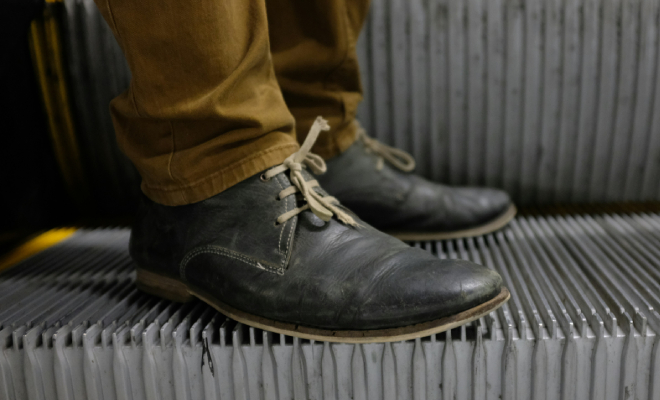
The toe box is worth watching too. If the toe is constantly scuffed or scraped on top, it sometimes means the foot is not lifting enough during the step and literally catches the ground. The opposite also happens: the upper looks almost new while the sole is destroyed — the person walks a lot, fast, and with heavy impact.
There is a psychological observation as well: people who constantly scuff their toes usually live "at pace" — they hurry, look ahead, not down. That is not a flaw, but sometimes a signal to slow down a little.
Anatomically, the so-called rolling step is correct — shifting load from heel to toe as you walk. You touch down on the outer heel, roll through the midfoot, and push off through the big toe. If the shoe wears fairly evenly along that path, your movement biomechanics are probably close to natural.
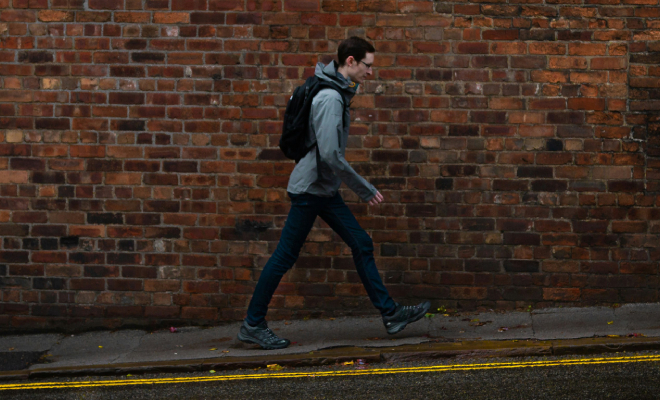
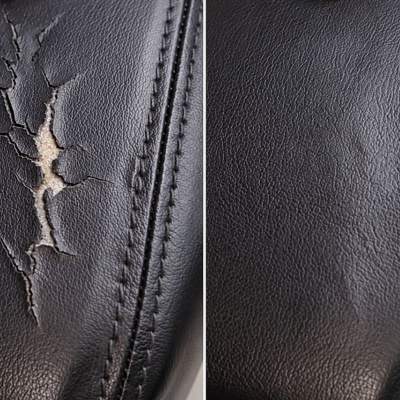
Creases are a separate story. They say a lot about shoe construction and biomechanics. If the shoe bends where the foot does not, the material breaks down unnaturally and fatigue sets in faster. Softness alone is not enough — the sole geometry has to match the foot's natural flex point.
.jpg)
A crease in the wrong place is almost like an uncomfortable office chair: you do not notice at first, but by the end of the day your back has already spoken. Shoes work the same way — discomfort builds quietly.
Sometimes character shows in footwear too. Some people wear one pair until it falls apart; others replace shoes at the first scratch.
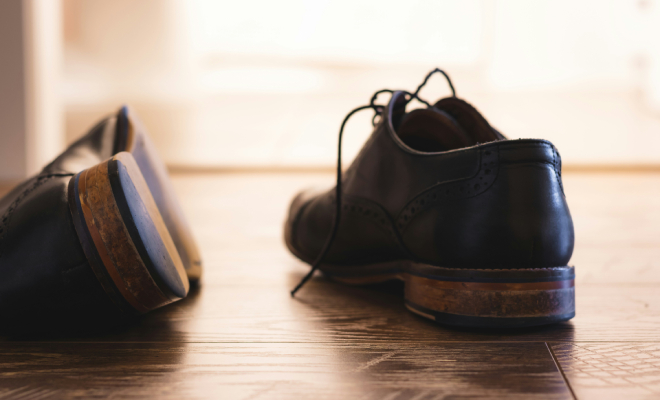
They say you can read a lot about a person from how they treat their shoes: someone who regularly takes them for repair and keeps them in shape often treats health, relationships, and equipment the same way. Someone who wears them to holes is either very practical — or simply not used to hearing signals that have been waiting a long time.
But the main lesson from these years: if your shoes wear oddly, that is not a reason to panic and hunt for diagnoses online. It is a reason to look more closely at yourself — at your gait, your loads, your comfort, and the shoes you choose.