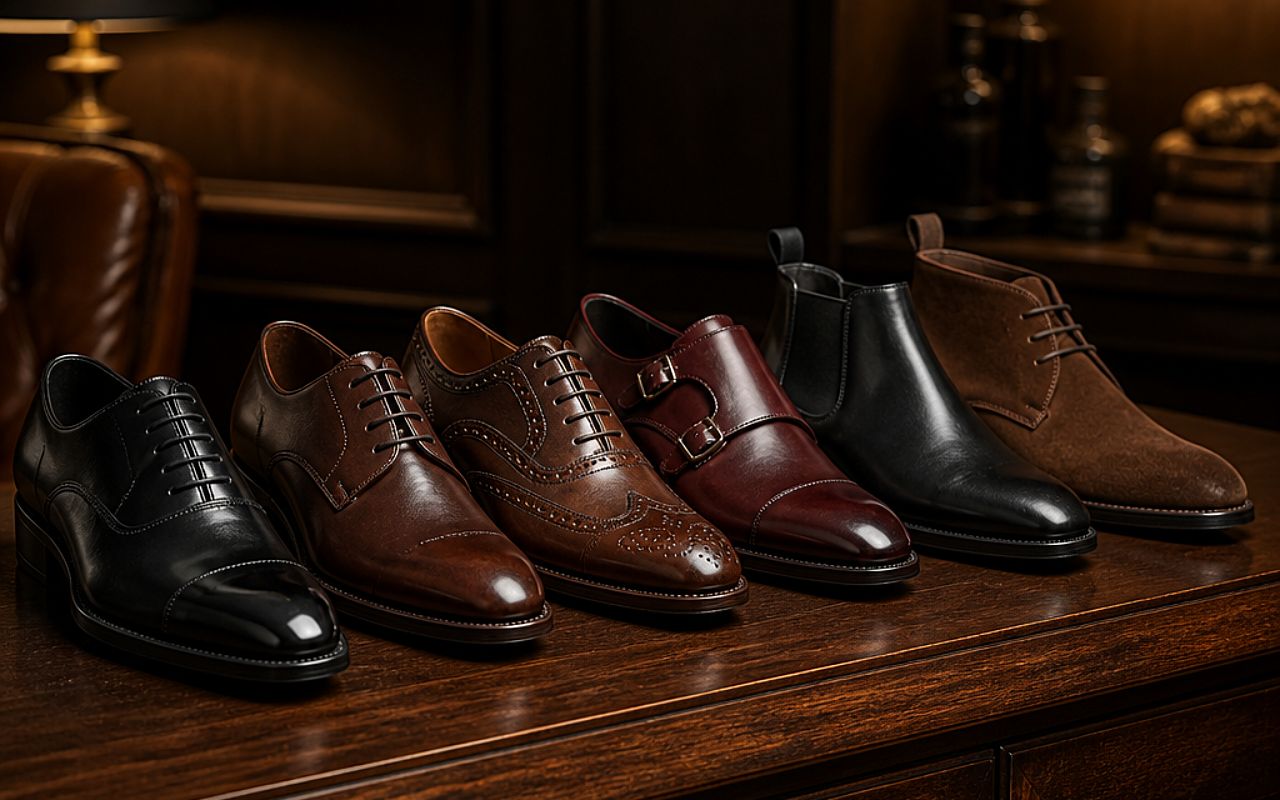
An expensive watch, a flashy car, or martial-arts training does not always make the impression men expect. A Date Psychology survey in which women rated 74 male hobbies produced some surprising results. The favorites had little to do with money or displays of strength, and some of the findings may surprise even men who think they understand what women want.
At the bottom of the ranking were activities many men might call traditionally masculine. Women tended to find aggressive sports, endless online arguments, gambling, and video games less attractive.
The reason was straightforward: an activity that signals conflict, addiction, or a lack of other interests usually makes a weaker impression.

Women rated sports that combine fitness, discipline, and a certain elegance much more highly. Swimming, hiking, archery, horseback riding, and fencing were among the leaders.
Interestingly, boxing and mixed martial arts—often associated with masculinity and strength of character—were not favorites. They may demonstrate stamina and discipline, but on their own they do not create the image many women find most attractive.

Creative and self-development pursuits ranked even higher. Women named reading as one of the most attractive hobbies for a man. Learning foreign languages, playing musical instruments, photography, drawing, writing, and other activities driven by curiosity and continuous growth also placed near the top.
At first glance, it may seem strange that a book or guitar can impress more than an expensive car or an extreme sport. But the logic is simple: these hobbies suggest someone who is engaged with life, keeps developing, and is not defined solely by work or entertainment.

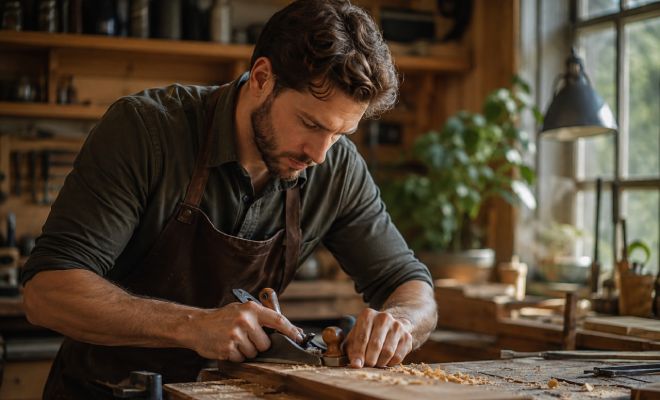
Practical skills occupied a category of their own. Cooking, gardening, and woodworking all scored highly. Many women found them attractive not because of the activity itself, but because they demonstrate independence.
A man who can cook dinner, build or repair something with his own hands, or take care of a garden comes across not only as interesting, but also as capable of looking after himself and the people around him.

The study also revealed an important nuance: what matters is not merely having a hobby, but the way a man relates to it. Any interest can lose its appeal if it consumes all his free time and becomes the sole purpose of his life.
Ultimately, the highest-ranking pursuits were not the most expensive, difficult, or extreme. Women tended to prefer hobbies that signal curiosity, intelligence, patience, and a desire to grow.
The real secret, then, is simpler than many expected. The attraction is not in the hobby itself, but in the man behind it.