Movie action has long learned to look convincing even when stunt doubles and editing do the heavy lifting. But some actors move on screen with more than choreography behind them: sport, a martial arts school, or stunt work built long before Hollywood.
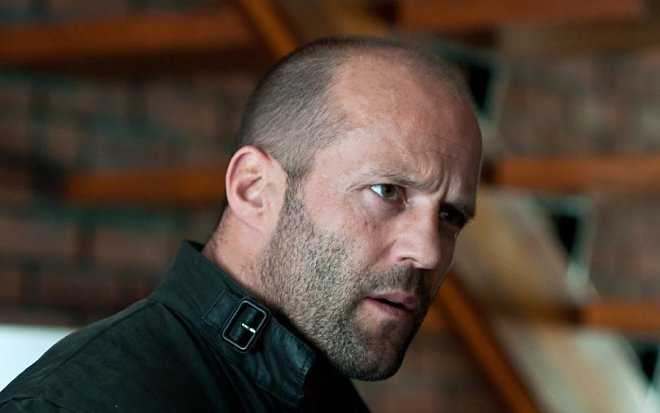
You see it not in "flashy hits," but in how they simply move.
Jackie Chan: Peking Opera and a habit of risk
He started in Peking Opera, where children spend years on acrobatics, flexibility, fighting, and constant physical load. That was not film prep. It was a hard school for the body.
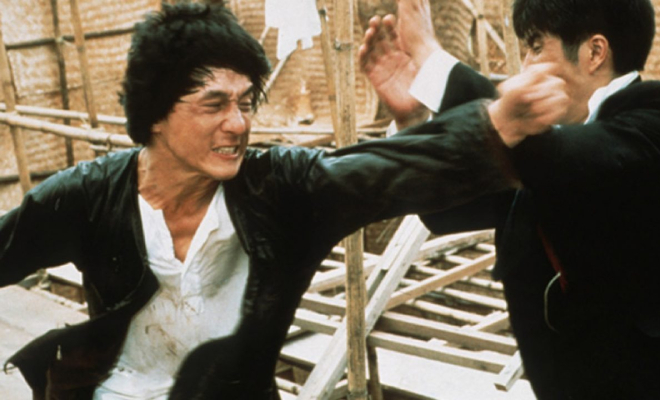
Later came stunt crews and tricks he performed himself. That is where his action style comes from: a fight often turns into a chain of moves among stairs, walls, and props that keep "joining" the scene.
Jason Statham: sport as the base of movement
Before film he was on Britain's diving team. Diving is built on precision, body control, and working in fractions of a second without a mistake.
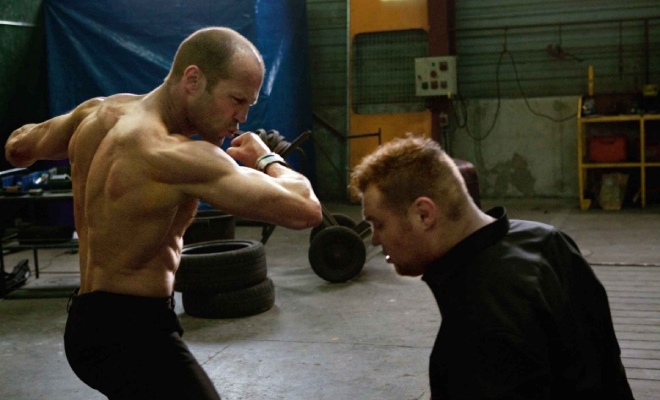
Later came martial arts training and conditioning. On camera he moves short, tight, without extra flourish.
Jet Li: wushu and speed
He came from competitive wushu, where technique is drilled into multi-year automatic habit. The same combinations are repeated so often they stop looking like separate moves.
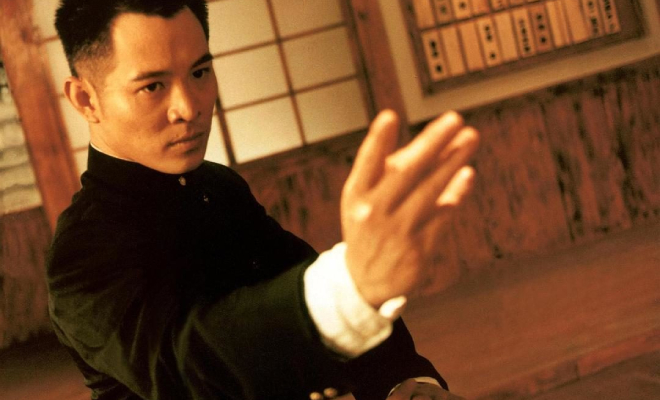
On film that becomes a very dense flow of motion, where scenes barely break into single punches. They simply happen.
Donnie Yen: different schools in one rhythm
From childhood he studied several fighting paths: from traditional Chinese styles to striking disciplines and sparring practice.
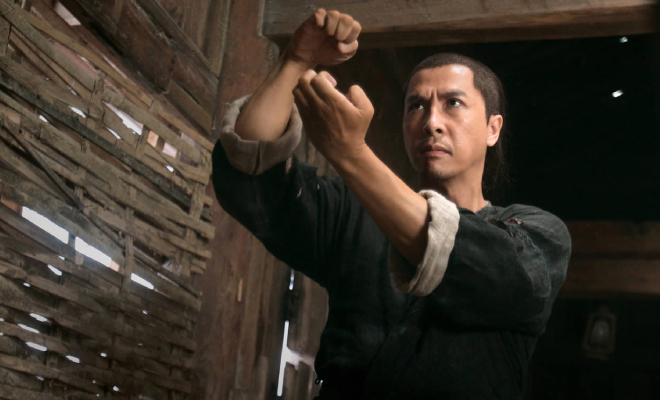
What matters is not the resume itself, but how it reads on screen: his moves are not scattered, they link. Transitions between actions are almost invisible.
Jean-Claude Van Damme: kickboxing before Hollywood
Before Hollywood he already trained kickboxing and karate, sparred, and competed. That was not prep for movies. It was a finished physical base.
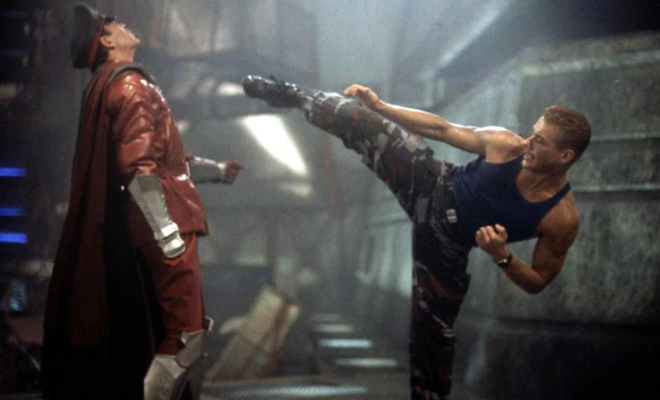
So his screen style is easy to spot: stance, torso work, distance. He did not reshape himself for film. Film adapted to him.
Steven Seagal: aikido as the foundation
He entered the industry already as an aikido instructor with a black belt. His technique is built not on the punch, but on control and locks, which sets a different pace for scenes right away.
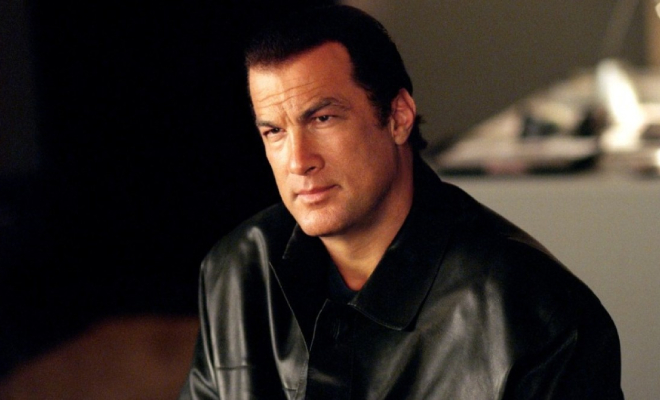
Next to him it is especially clear how different combat systems look once they hit the screen.
Chuck Norris: karate and discipline
He began as a practitioner and instructor, someone who did not only train, but taught others.
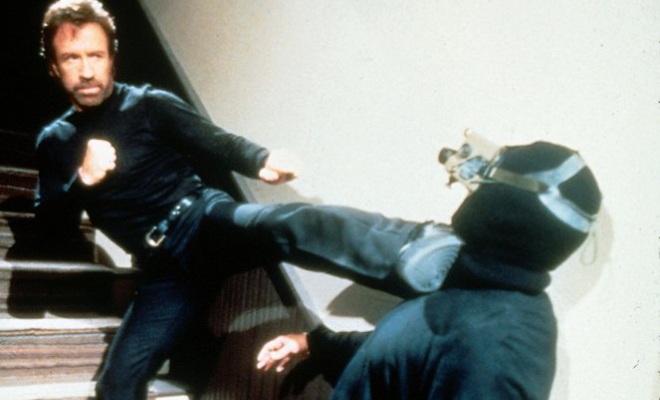
You feel it in how he moves: everything is as tight as possible, with no spare gestures.
Wesley Snipes: karate and composure
Wesley Snipes trained martial arts before he became an actor: karate and basic disciplines tied to body work and coordination.
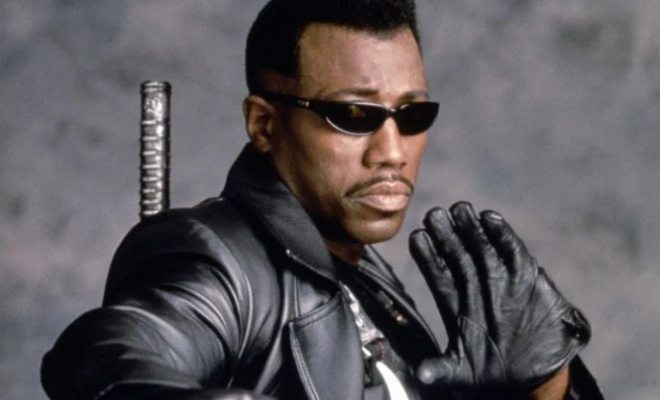
In the early 1990s he arrived in film with that background already in place, and it shows in his early action movies: he does not "perform" a fight, he acts dryly, without big swings. That is clearest in close contact, where there is almost none of the usual Hollywood stretch on punches. The moves are short, sometimes sharp enough to feel awkward for the viewer, and that makes the scenes denser than many fighters of that era managed.
Keanu Reeves: training as part of the process
For John Wick he went through training in firearms, judo, and jiu-jitsu, with constant scene rehearsal.
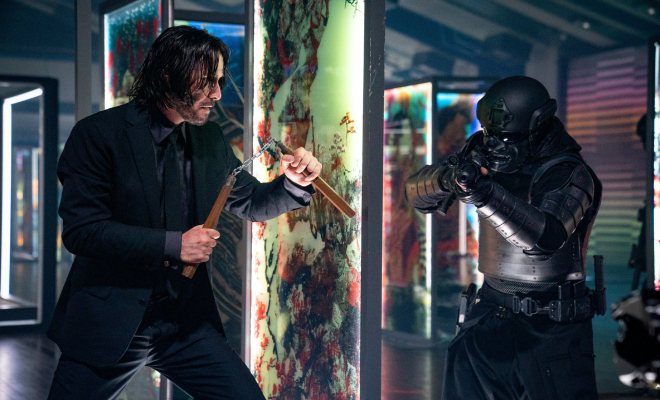
Over time that became part of the shoot itself, not a separate prep stage.
Tom Hardy: jiu-jitsu in adulthood
He began Brazilian jiu-jitsu as an adult and trains regularly, including amateur competition.
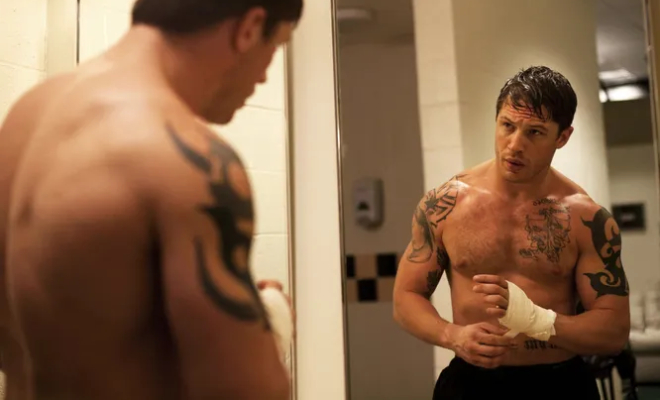
In close combat you feel it: more real struggle for position, less staged choreography.
Put together, it becomes clear the point is not "flashy hits" or speed alone. The difference shows where the body no longer thinks through the move, and simply does what years of habit taught it.