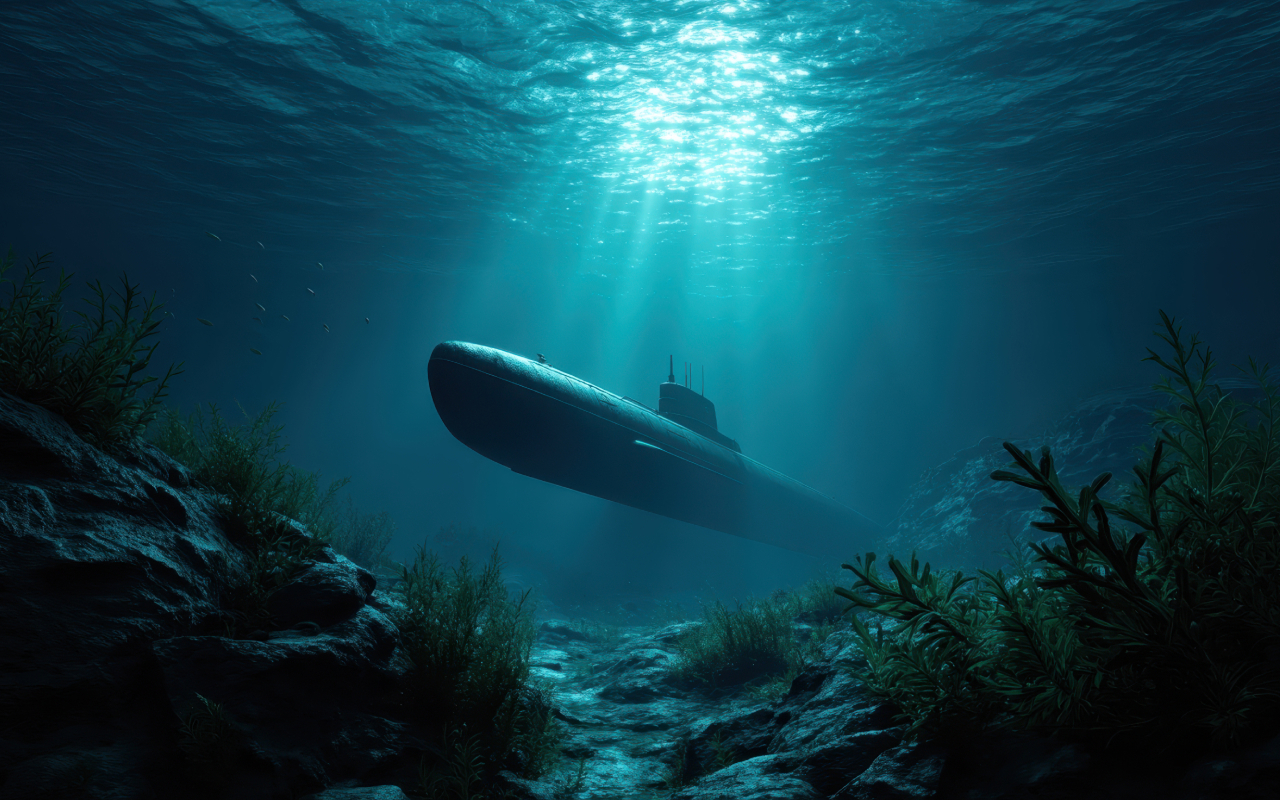
Half a kilometer down, the ocean already squeezes steel to its working edge. That is roughly where a nuclear submarine lives in normal ops: about 400 to 500 meters. Deeper is possible, but every extra ten meters raises the risk as the hull takes tens of atmospheres. That depth band also makes the boat hard for most sensors to find.
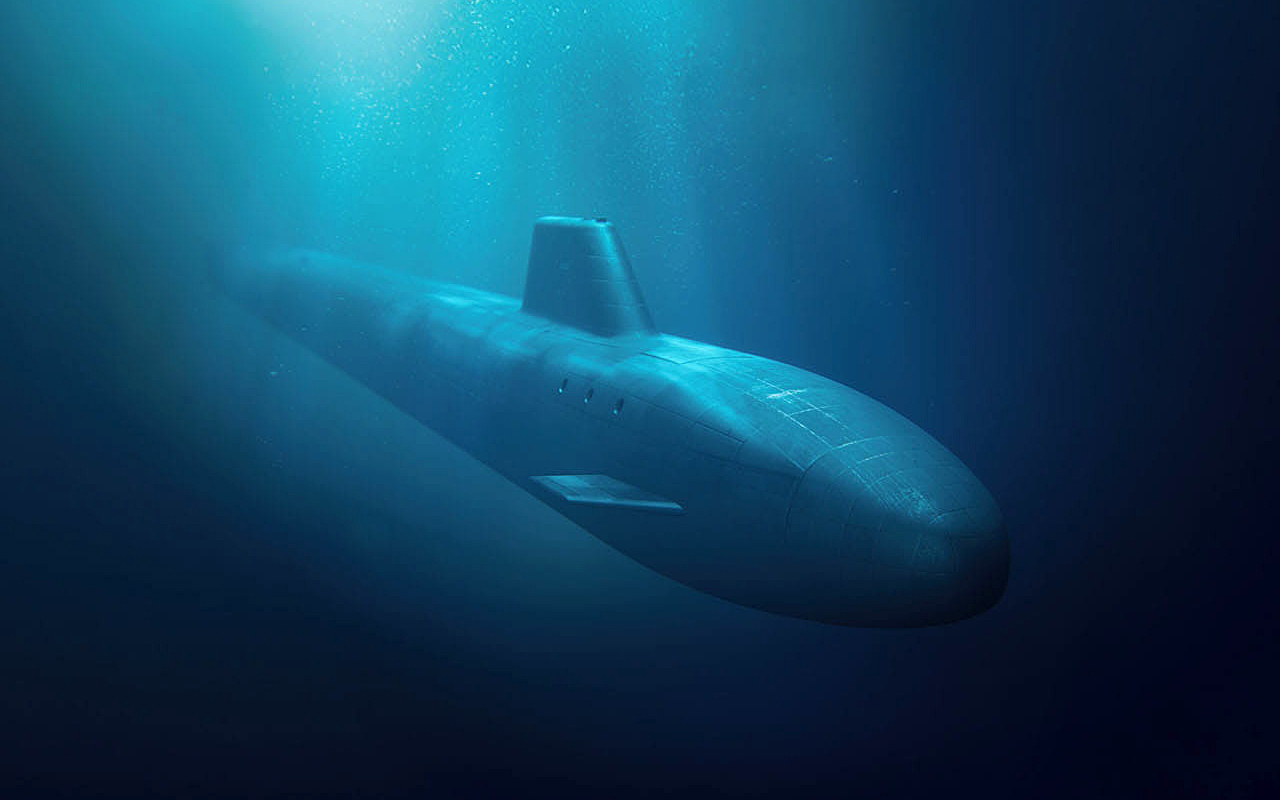
The deeper a submarine goes, the harder it is to detect. Dive depth is a survival tool. It is also the hard limit: the ocean compresses the pressure hull with every step down.
In practice most modern nuclear boats stay near 400 to 500 meters in combat-relevant work. Exact figures are classified. Open sources often credit U.S. designs such as the Virginia class with a more modest published depth, while Russian projects traditionally build in more structural margin. At those levels detection already gets ugly either way.
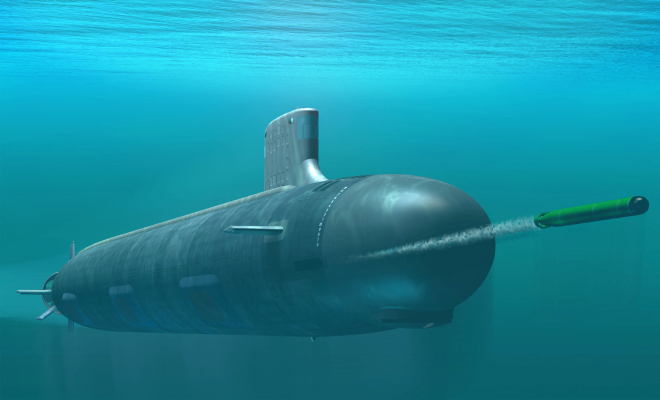
Test depth sits above the daily working depth and is used sparingly. Past about 500 to 600 meters the load on the pressure hull climbs fast. Pressure rises roughly one atmosphere every 10 meters: about 50 atm at 500 meters, more than 100 at a kilometer. A small flaw there can end the hull in an instant.
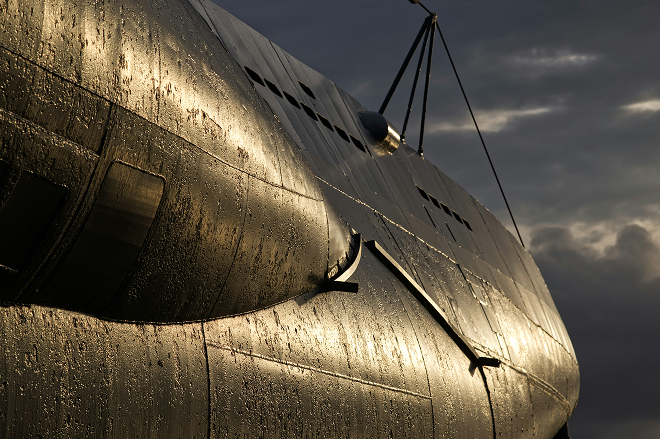
Engineers therefore stack working depth, test depth, and collapse depth. Collapse is the edge of the map. Beyond it metal deforms, then the hull implodes in fractions of a second. There is no rescue window at those depths.
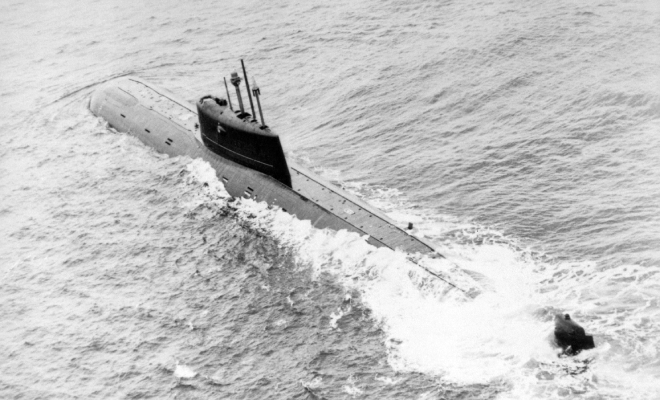
The famous extreme is the Soviet K-278 Komsomolets. In 1985 it reached 1,027 meters, still the combat-submarine record. A titanium hull made that possible. Even so the dive was an extreme test, not a routine patrol profile.
Modern boats could theoretically go deeper, but they rarely need to. Past about 400 meters most sensors already struggle. Going deeper means heavier structure, more mass, and less reliability for little tactical gain.
Bathyscaphes can reach the trench floor at 10 to 11 kilometers. They are not warships. A nuclear submarine must cruise for months, maneuver, and carry weapons. Different machines, different limits.
So the practical answer: working depth around 400 to 500 meters, occasional maxima near 600 meters and beyond in special cases, and a combat record just over a kilometer. Deeper than that is mostly the ocean’s rules, not the navy’s.