Reliability is one of the biggest factors in almost any car purchase. Power, technology, and design matter too, but most buyers ultimately want a car that starts every morning instead of spending its life in the shop. Five brands currently stand out for their durability: many Toyota and Honda models can cover 300,000–500,000 kilometers without a serious breakdown.
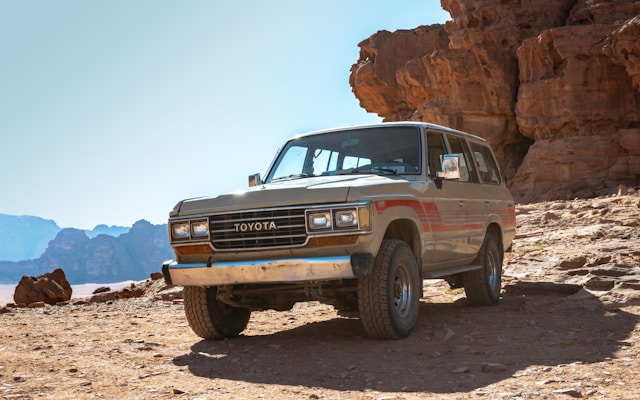
Toyota: the benchmark for longevity and resale value
Toyota has led reliability rankings for years thanks to its conservative engineering. The Japanese company is in no hurry to introduce half-baked technology, favoring proven naturally aspirated engines and conventional torque-converter automatics.
Legendary models such as the Camry sedan, RAV4 crossover, and Land Cruiser SUV can handle punishing climates and inconsistent fuel quality.
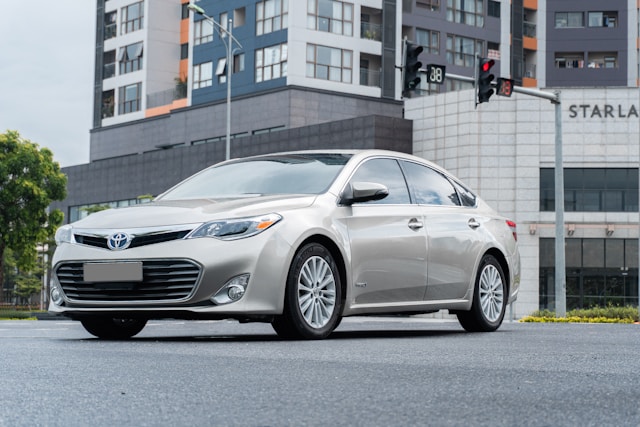
The 2.5-liter 2AR-FE gasoline engine and 4.0-liter 1GR-FE V6 are particularly tough. With timely oil changes and basic maintenance, both can comfortably exceed 400,000 kilometers. Used and parallel-import Toyotas sell quickly, while consumables and spare parts are readily available across the country.
Lexus: premium comfort with serious staying power
Lexus combines premium comfort with the exceptional durability of components developed by parent company Toyota. While German rivals often complicate their cars with sensitive electronic sensors and demanding turbochargers, Lexus engineers put dependability first.
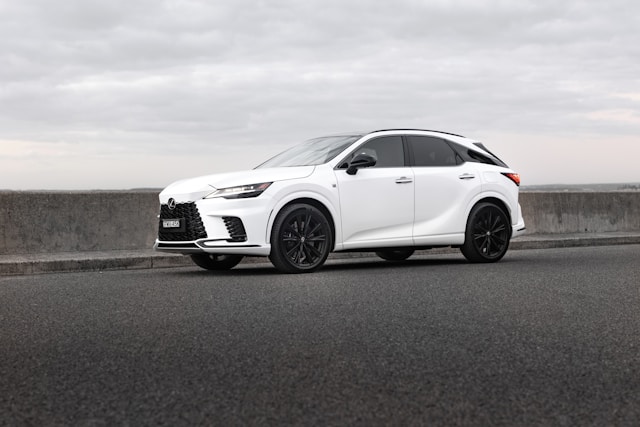
The RX crossover, GX and LX SUVs, and ES sedan consistently record some of the fewest workshop visits in global rankings. Their longevity comes down to precise assembly and high-quality materials. The naturally aspirated engines and Aisin automatic transmissions have virtually no major early-life faults.
That means even a ten-year-old Lexus can remain as smooth and quiet as the day it left the showroom with only routine care.
Honda: naturally aspirated engines that last
Honda earned its reputation with its iconic naturally aspirated VTEC engines and robust chassis. Models such as the CR-V crossover and Accord sedan are considered nearly indestructible when their fluids are changed on schedule. Their components are engineered with a generous safety margin, allowing the suspension to cope well with broken roads.
The 2.0- and 2.4-liter K20 and K24 engines can pass 350,000–400,000 kilometers with ease. Honda CR-Vs of every generation remain highly sought after thanks to their corrosion-resistant bodies and straightforward construction. Both new and used Hondas continue to reach the market through parallel-import channels.
Mazda: dependable SkyActiv technology and durable transmissions
Mazda made a genuine engineering leap with its SkyActiv engine and transmission range. While other brands moved toward small turbocharged engines with shorter service lives, Mazda retained proven, full-size naturally aspirated units with high compression ratios. The popular CX-5 crossover and Mazda 6 sedan became bestsellers largely because they lack notorious weak points.
The 2.0- and 2.5-liter gasoline engines are paired with a six-speed torque-converter automatic. This smooth-running combination can cover more than 300,000 kilometers without an overhaul. Good paint quality and dependable electrics that keep working in severe cold are further advantages.
Subaru: proper all-wheel drive and rugged engineering
Subaru is defined by its boxer engines and signature permanent all-wheel-drive system. The Forester crossover and Outback wagon were designed for regular use on unpaved roads and in harsh climates.
Their strong bodies and compliant, high-travel suspension can take years of country-road driving without constantly replacing bushings and shock absorbers.
Modern 2.0- and 2.5-liter FB20 and FB25 naturally aspirated engines no longer suffer from the old overheating issues. Subaru's chain-driven Lineartronic CVTs rank among the most reliable in their class and tolerate heavy loads well. A strong owner community and established parts supply also help keep running costs manageable.