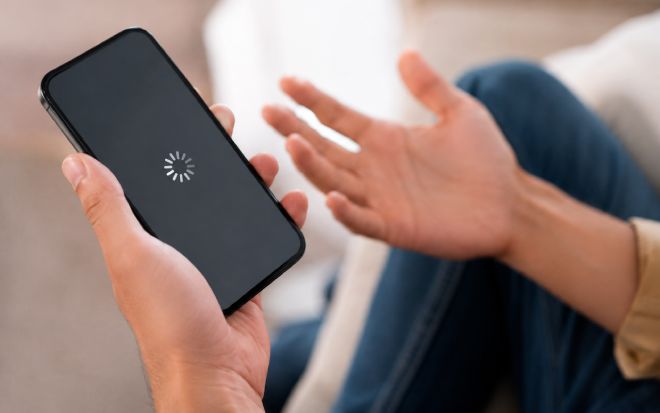
Your phone started lagging even though you still have dozens of gigabytes free? That's not a paradox — and it's not necessarily a reason to clean out your gallery. A smartphone can slow down because of a worn battery, overheating, insufficient RAM, heavy apps, or an aging processor. We look at why phones get slower and what to check before deleting files or buying a new one.
Free Space Is Not the Same as Performance
A smartphone has two different types of memory. Storage holds photos, videos, and apps, while RAM is used by the system and programs while they're running.
So 100 GB free in storage doesn't mean the phone has enough RAM or that the processor can handle the current load quickly.
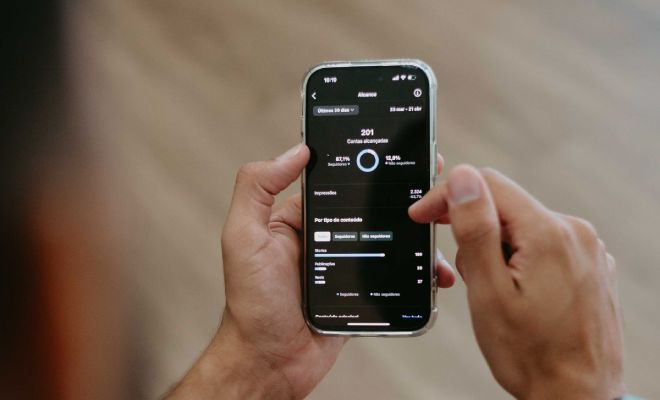
That said, you can't completely ignore free space either. Google notes that on Android, problems may appear when less than 10% of storage is free. But if your phone still has, say, half its storage available, there's no point looking for lag in file deletion.
The Top Suspect on an Old Phone — the Battery
A lithium-ion battery gradually ages. Over time it loses capacity and the ability to deliver the same peak power.
This is especially noticeable on iPhone: Apple states directly that as the battery chemically ages, the system may limit maximum performance to reduce the chance of unexpected shutdown. As a result, apps may launch more slowly, and scrolling and some operations become less smooth.
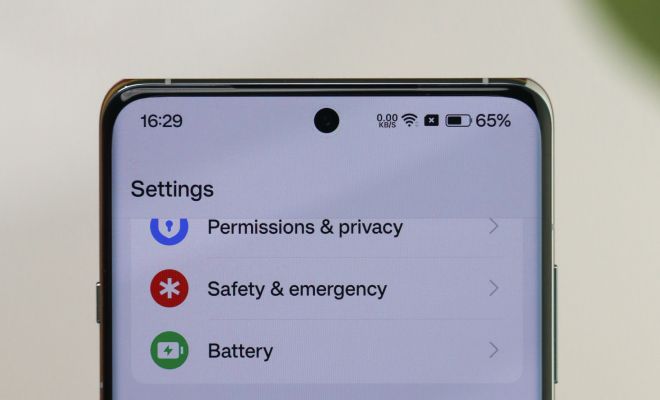
So on an older iPhone it makes sense to open Settings → Battery → Battery Health & Charging first.
If the battery is heavily worn, clearing memory won't fix the problem. Replacing the battery may be far more effective.
The Phone Overheated and Deliberately Slowed Down
A modern smartphone doesn't always run at maximum power. When it gets very hot, the system reduces processor and graphics performance to control temperature.
That's why a phone may work fine in the morning and suddenly become slow after gaming, long video recording, navigation, or use while charging.
Android uses thermal performance limits, and Google separately warns that at high temperatures a Pixel may reduce processor performance and charging speed. Apple also notes possible performance reduction when the device goes outside its normal temperature range.
If the smartphone works normally again after cooling down, the cause is probably not a full storage drive.
New Apps Are Getting Heavier
An old smartphone doesn't necessarily break. Sometimes it simply no longer has enough performance headroom.
Over several years the operating system and apps change. They gain new features, more complex photo and video processing, modern interfaces, and other tasks. As a result, a processor that once had plenty of margin starts handling them at its limit.

This is especially visible on budget devices with little RAM. The phone may be technically fine, have plenty of free space, and still open modern apps more slowly.
One App Can Slow the Whole Phone
Sometimes the smartphone isn't to blame — a specific app is. If after launching a particular program the body starts heating up, the battery drains noticeably faster, and the interface becomes less responsive, check that app.
On Android, Google recommends updating apps and the system, restarting the device, and checking whether slowdown is linked to a specific program when you have performance issues.
And don't constantly close all apps manually. Android and iOS manage RAM on their own. Force-closing apps is not a universal way to speed up a smartphone and sometimes, on the contrary, makes apps reload data from scratch.
Sometimes the Phone Isn't the Problem at All
If only websites, social networks, maps, or other online services open slowly, the problem may be the internet.
A page that waits five seconds for a server response creates the feeling of a "lagging phone," even though the processor may be working perfectly fine at that moment.
That's easy to check: open Settings, the camera, or saved photos. If those work quickly but network apps lag, check Wi-Fi or mobile data first.
What to Check in Five Minutes
Before deleting gigabytes of photos or buying a new smartphone, a short checklist is enough:
Check free space. If less than 10% remains, storage really should be cleared. If significantly more is free, look for another cause.
Check the battery. Especially important for a phone that's several years old.
Feel the body. If it's hot and lag disappears after cooling, thermal throttling may be the issue.
Check apps. If problems start after launching one program, update it or remove it temporarily.
Restart the phone. This can fix a temporary glitch, but if lag returns within hours, further diagnosis is needed.
Compare offline and online performance. If Settings and saved files open quickly but websites lag, the internet may be to blame.

In the end, free storage is only one factor affecting how a smartphone runs. If there's enough of it and the phone still lags, check the battery, overheating, RAM, apps, and the age of the device first.
That's why deleting another few dozen gigabytes of photos doesn't always turn an old smartphone into a fast one. Sometimes it really does need more space. But far more often the cause lies somewhere else entirely.