Slow Wi-Fi doesn't always mean it's time to buy a new router or switch to a more expensive plan. Sometimes the problem is simpler — place the router correctly and check whether other electronics are sitting too close.
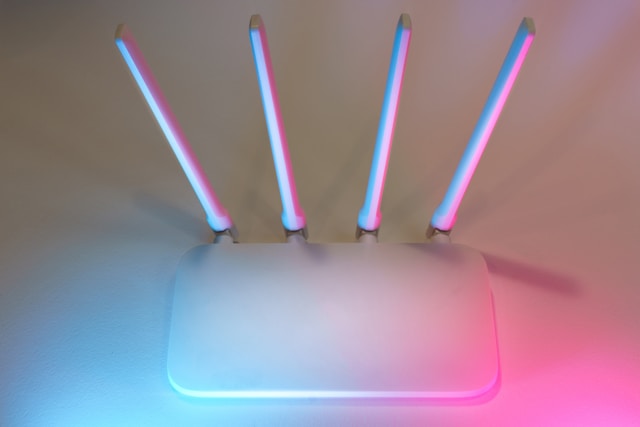
Don't Put the Router on the Floor
That's one of the simplest mistakes. A router spreads signal in different directions, including downward.

It's better to put the device on a desk, cabinet, or shelf. The fewer obstacles between the router and your devices, the better the radio signal spreads through the apartment.
Closed furniture also blocks normal signal spread. Metal walls shield the router most strongly. The best option is an open spot roughly in the center of the apartment.
Keep the Router Away from Radiators and Aquariums
Water and metal are materials that can significantly weaken Wi-Fi. So don't place the router near a heating radiator, a large aquarium, or other massive metal structures.

This matters especially in small apartments, where the router often goes wherever there's an outlet and free space. A convenient spot for plugging in isn't always a good spot for signal coverage.
Keep the Router Away from the Microwave and Other Electronics
A microwave can interfere with Wi-Fi because it operates around 2.4 GHz — a band some wireless networks use. So it's better not to install the router right in the kitchen next to the microwave. Other possible sources of interference include cordless phones, some baby monitors, TVs, monitors, lamps, and other electrical devices.
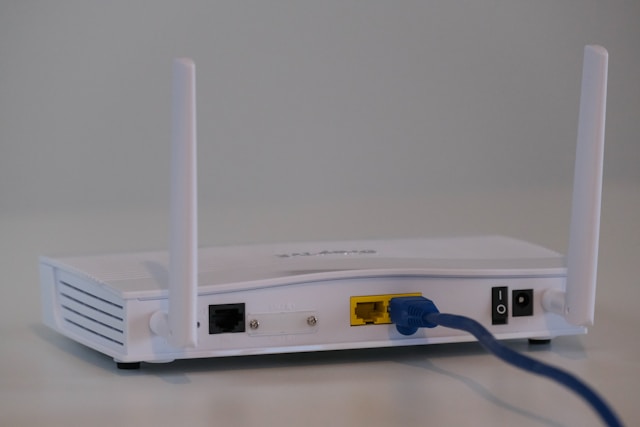
The more electronics clustered around the router, the less sense that placement makes. Keep the router as far as possible from other electrical gear and devices that use wireless signals themselves.
Antenna Position
Routers with several external antennas have one more simple way to improve coverage. Experts recommend pointing antennas in different directions — for example, one vertically and another horizontally. That can help spread signal more evenly through the apartment.
If your provider actually delivers 100 Mbps to the apartment, a properly placed router won't turn that into 500 Mbps. So first check wired connection speed. If Ethernet matches your plan but Wi-Fi is much lower, the problem may indeed be in the wireless network.