The Soviet industry produced cameras by the millions. Most mass-market models like late «Zenits» or «FEDs» are cheap today. But among them were genuine works of art — engineering experiments ahead of their time and rare flagship models. Such Soviet cameras now sell for more than 100,000 rubles.
«Sport» (GOMZ)
Created in Leningrad in the mid-1930s, the «Sport» entered world photography history as one of the first serial single-lens reflex cameras for 35 mm film. Soviet engineers beat many foreign specialists to the punch with a sturdy metal body and extraordinarily complex internal mechanics.
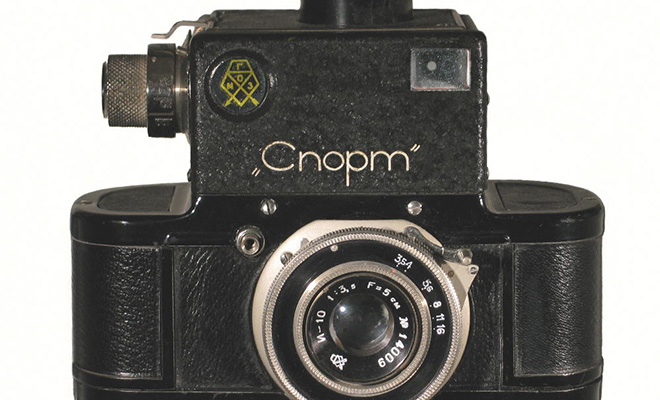
The camera stood out for its vertical layout and original shutter design. Because production was so difficult and war soon began, manufacturing stopped, so very few working examples survive. Today the «Sport» is considered a true jewel of any private collection.
«Narciss»
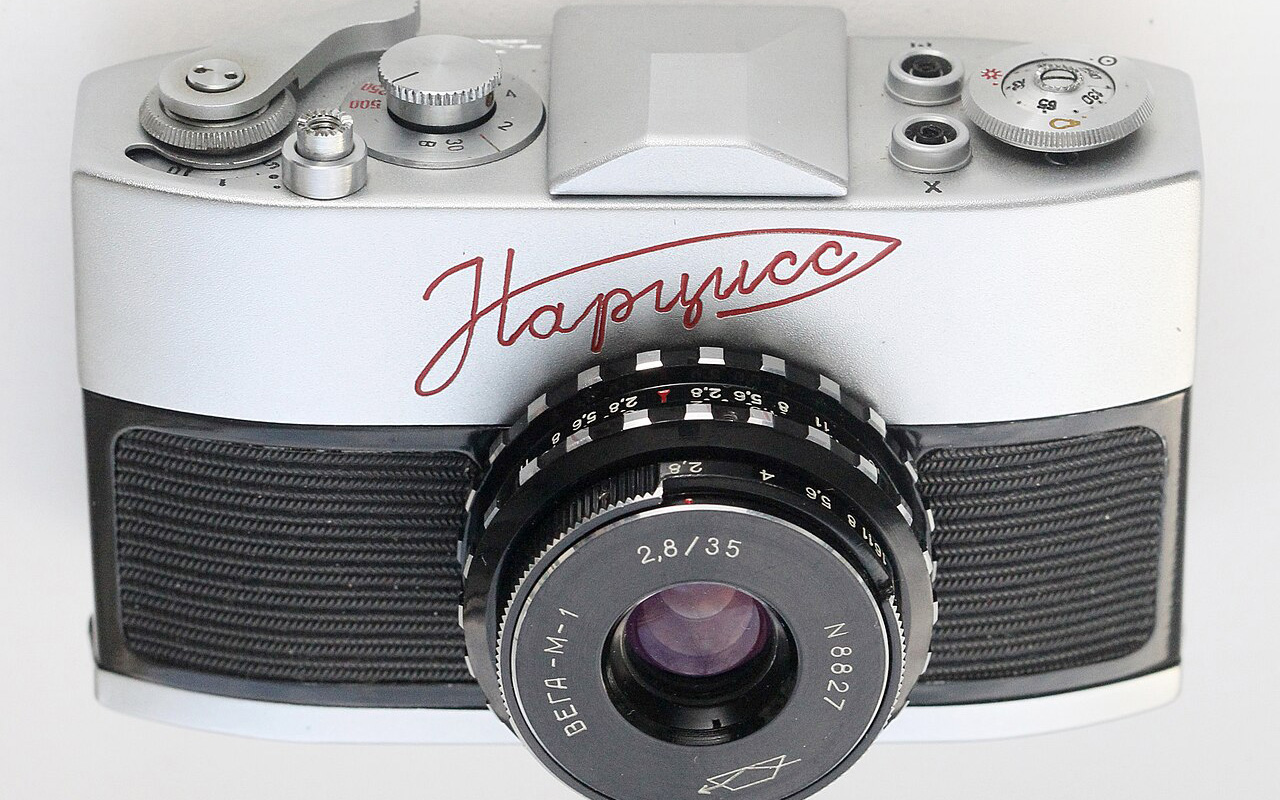
Produced at the Krasnogorsk Mechanical Plant in the 1960s, the «Narciss» remains the world's only serial single-lens reflex camera designed for narrow 16 mm film. The model was developed partly for special tasks but was also sold in retail stores.
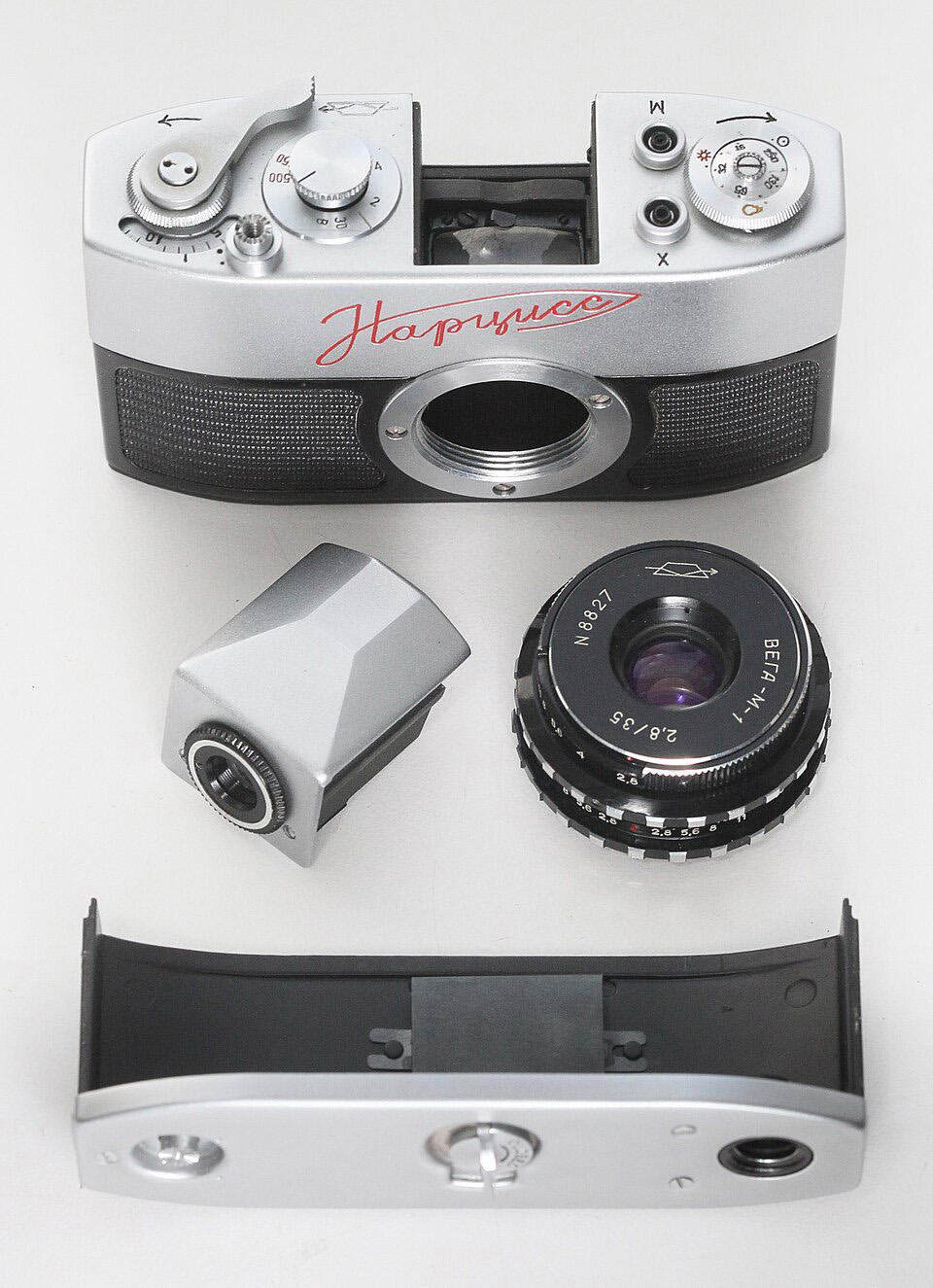
Despite its miniature size, it was a full professional system with interchangeable optics and a focal-plane shutter. Because of the rare film format the camera never became mass-market, but its unconventional concept and intricate micromachinery make the «Narciss» a coveted lot for connoisseurs.
«Zenit-7»
In the late 1960s Krasnogorsk engineers tried to create a fundamentally new flagship camera that could compete with the best international models. The «Zenit-7» received an improved shutter with a wide range of speeds, an updated ergonomic body, and an original lens mount.
Production proved too complex and expensive for the mass assembly line, and the model was discontinued after just three years. The run totaled only about 3,000 units. Because of its high collector value, a «Zenit-7» in good condition today can exceed 100,000 rubles.
Prewar «FED» (NKVD series)
Ordinary postwar «FED» models are common, but prewar issues from the Kharkiv plant are an entirely separate story. The greatest value lies in early 1930s cameras with three- or four-digit serial numbers and the characteristic «NKVD USSR» engraving.
These cameras were based on the famous German Leica II. First-run models featured a high proportion of hand assembly, and their historical significance drives prices on international auction sites to $1,500 and above.
«Leningrad»
Created at the GOMZ plant in the mid-1950s, the «Leningrad» became a technical masterpiece among Soviet rangefinder cameras. Its main feature was a built-in spring-wound motor that cocked the shutter and advanced the film automatically, enabling rapid burst shooting.
For its time this was an incredible breakthrough in reportage photography. Because of the complexity of the mechanics, production was very labor-intensive. A «Leningrad» preserved in perfect working condition with a functioning spring mechanism is highly valued by experts and quickly finds buyers among lovers of rare photographic equipment.