When a smartphone drains quickly, heavy mobile games or a worn battery are not always the cause. Often familiar Google services quietly eat power by syncing data and running in the background.
YouTube
Watching video uses the screen, speakers, and processor. But most energy goes to automatic previews in the feed and background data downloads.

How to fix it: turn off autoplay in feeds (Settings > General > Playback in feeds) and block background activity for the app in your phone settings.
Google Chrome
The popular browser uses a lot of resources because it constantly exchanges data with servers in the background and preloads web pages you have not even opened yet.
How to fix it: in Chrome settings go to "Privacy and security" and disable "Preload pages," and limit background activity for the app in the operating system settings.
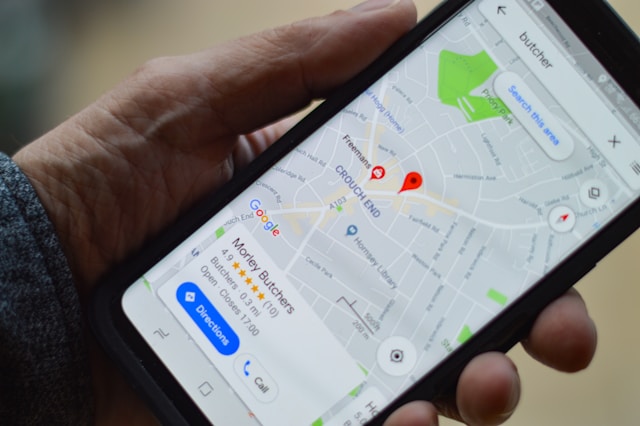
Google Maps
Navigation is one of the hungriest apps because it uses GPS, mobile data, and keeps the screen on at the same time.
How to fix it: download maps for offline use and stop the app from constantly tracking your location when it is closed.
Gmail
The mail client regularly connects to check for new messages. Every push notification wakes the screen, which hits battery life hard — especially with several accounts linked to the app.
How to fix it: restrict background data refresh for Gmail or lengthen automatic mail sync intervals.
Google Home
The smart home app constantly talks to cloud servers. The biggest battery drain is presence detection, which continuously uses GPS to know whether you are home or away.
How to fix it: open your phone's permission settings and change Google Home's location access to "Allow only while using the app."
Turning off background activity and continuous geolocation for these five services can noticeably extend how long your smartphone runs on one charge.