On Pyongyang’s wide avenues you rarely spot a car. The roads look unusually empty, but North Korea does have vehicles. The local fleet is striking: in the countryside you can still find trucks that run on wood. In what is almost the country’s only major city, the well-off drive rarities, European sedans, and clones of Chinese cars.
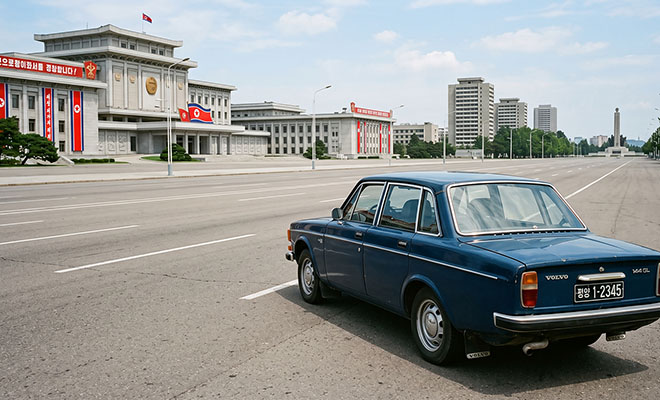
The legendary Volvo scam
Europe swore off supplying cars to the DPRK back in 1974. That year Pyongyang signed a deal with Sweden and took delivery of 1,000 Volvo 144GL sedans along with industrial equipment. The Swedes shipped reliable cars with leather interiors, but never received payment.
Half a century later the debt, with interest, has topped €300 million. Stockholm still sends official invoices to North Korea twice a year. The DPRK still uses the Volvo 144GL as government cars and taxis.
A Mercedes-Benz clone
The DPRK also tried to build its own sedan. In 1988 the Kaengsaeng 88 project appeared. North Korean engineers fully copied the body of the German Mercedes-Benz 190E, swapping the star on the hood for their own emblem.
Instead of the original German engine they fitted a Soviet unit from the GAZ-21, and early examples had no side mirrors. The car never went into mass production, but you can still spot the odd Kaengsaeng on Pyongyang’s roads.
Soviet heritage
The backbone of the national auto industry is the Pyeonghwa Motors plant in the port city of Nampo. The factory opened in 1999 as a joint venture between a South Korean entity and a North Korean state corporation.
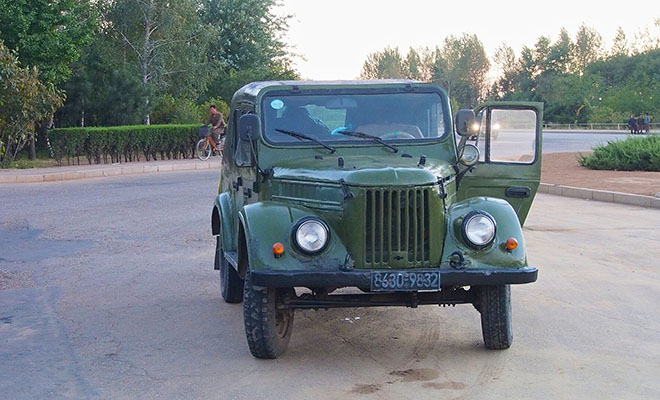
Plant capacity is designed for up to 10,000 cars a year, and the model lineup was built on licensed copies of European and Chinese brands.
- Hwiparam (“Whistle”): A budget sedan based on the Fiat Siena and Fiat Albea. Later the same name was used to assemble the Chinese Brilliance BS4 sedan.
- Ppeokkugi (“Cuckoo”): A range of commercial vans and SUVs. Early generations were based on the Fiat Doblò; later versions copied the South Korean SsangYong Rexton and Chinese pickups.
- Junma: An attempt at a premium sedan based on the SsangYong Chairman, itself built on Mercedes-Benz W124 components.
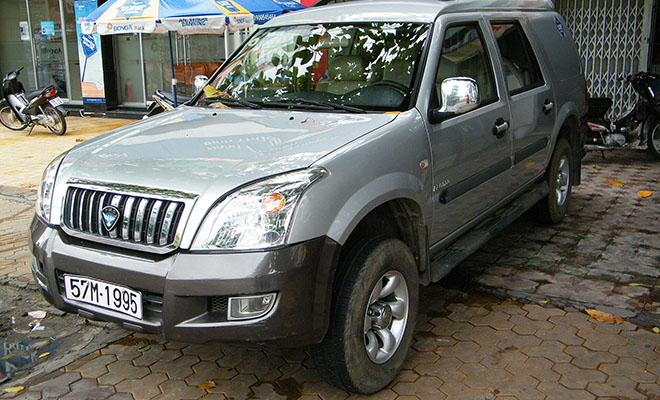
The truck sector historically relied on the Sungri (“Victory”) plant in Tokchon. From the 1950s it produced Sungri-58 and Sungri-61 trucks: direct copies of the Soviet GAZ-51 and four-wheel-drive GAZ-63. Those simple, unfussy machines covered agricultural and military needs for decades.
Modern Pyongyang
In recent years the picture on the streets of North Korea’s major cities has changed noticeably. Parallel imports from China have been the main driver of fleet renewal. Pyongyang has built large taxi fleets fully stocked with modern sedans and crossovers.
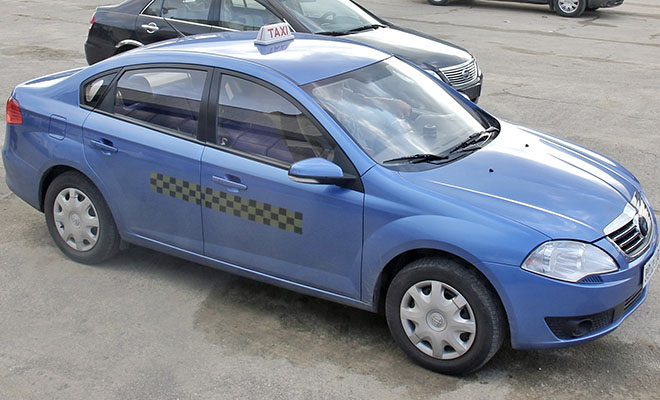
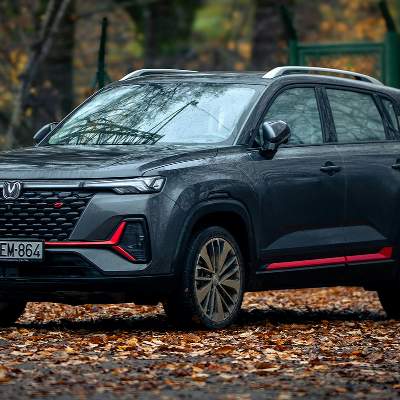
- Chinese brands: FAW, Geely, Dongfeng, BYD, and Changan models are common on the roads.
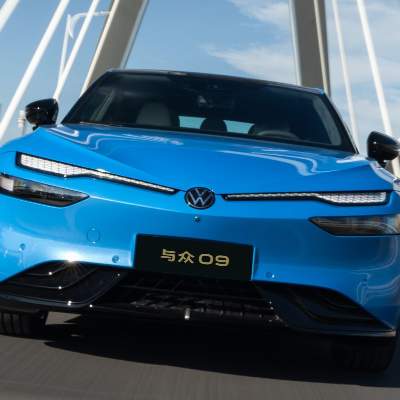
- EVs and hybrids: Chinese electric cars are appearing in the capital, attractive to municipal and transport services because they save liquid fuel.
- Premium segment: Top leadership and official delegations travel in armored Mercedes-Benz S-Class flagships (W221 and W222) and full-size Toyota Land Cruiser 200 and 300 SUVs.
Sooner or later the DPRK will join Asia’s tiger economies. China already has the country under its wing, so more good cars will show up here.