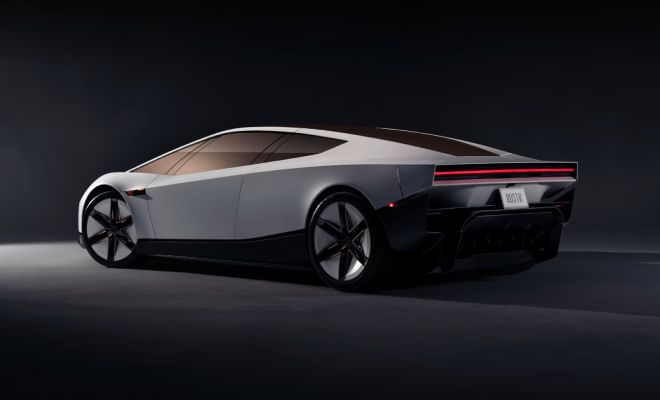
The next-gen Tesla Roadster, as Elon Musk presents it, can lift off the ground, pull air moves, and, Tesla says, hit 60 mph (96.6 km/h) in under a second. It sounds like sci-fi. If the car reaches production looking like the brief, the industry gets a sports car that has outgrown ordinary pavement.
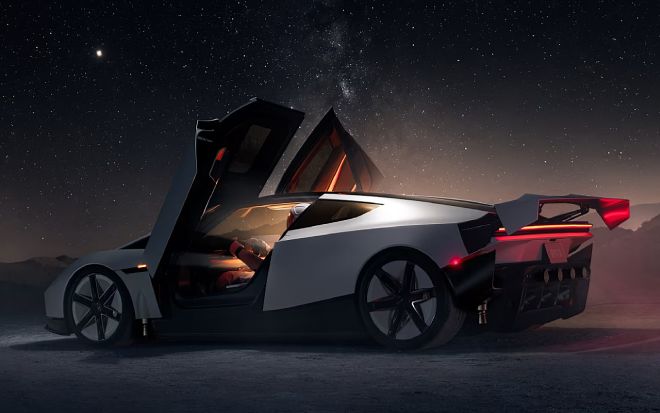
Rocket nozzles instead of ordinary thrust
The wildest Roadster package centers on cold-gas thrusters. High-pressure oxygen vents through nozzles and makes reaction thrust. The project notes ten nozzles and a compressed-air tank of about 600 liters. After a boost, Tesla says, the car can recharge that air store itself.
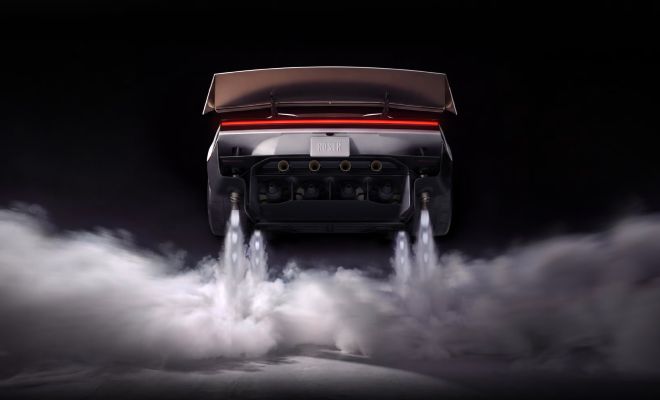
Think of a jet engine without burning fuel. Gas shoots one way; the car gets a kick the other way. A normal EV accelerates through motors at the wheels. Here electric drive gets a second impulse source: a reaction system for short aerial moves.
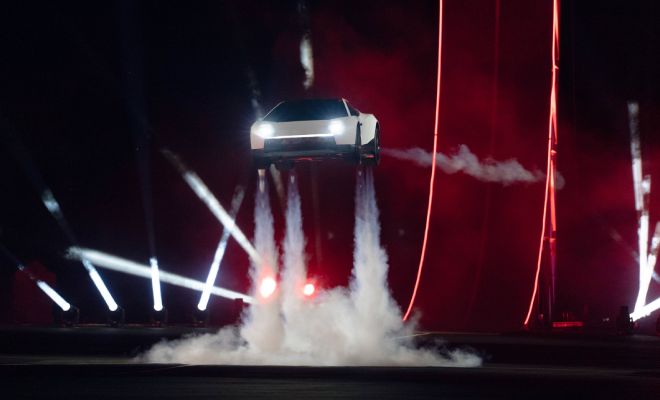
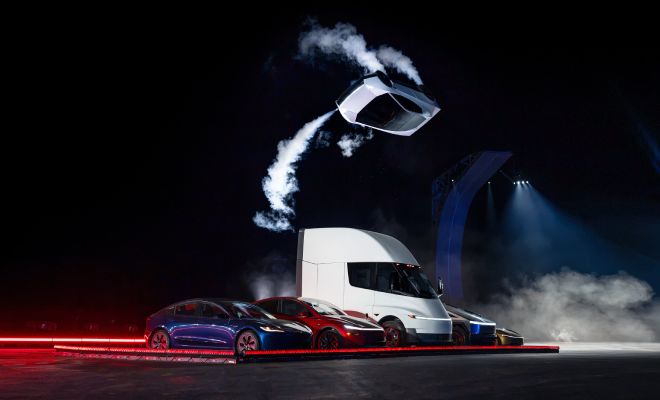
At the reveal the Roadster rose and maneuvered on built-in thrusters. A flashy demo does not guarantee every trick ships without limits. Tesla still has to prove the numbers and explain how the system behaves in the real world.
0.59 seconds to 60
Three setups are on the board: Performance, Thrust, and Rocket. Claimed 0–60 times: under 1.6 seconds, 0.9 seconds, and 0.59 seconds. That last figure is Rocket only, not the whole lineup.
Rocket would be the first Tesla built for something other than public roads.
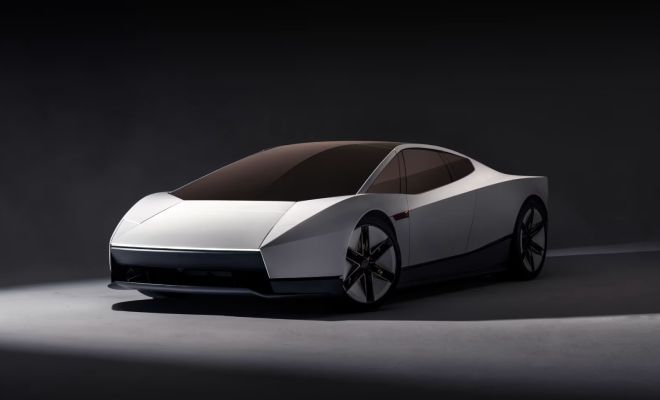
Range for the family is pitched above 300 miles (about 480 km), with a top speed past 370 km/h. Serious sports-car numbers. Rocket thrust also demands serious control, stability, and tires: that extra impulse still has to become steered motion, especially if the wheels leave the ground.
Treat every figure as a project claim until independent tests of a production car say otherwise.
A car that drives upside down
Another oddity is downforce from air suction. On a demo ramp the car ran an inverted stretch, wheels up. That is a separate tech: it pins the car to a surface while the nozzles deliver reaction thrust.
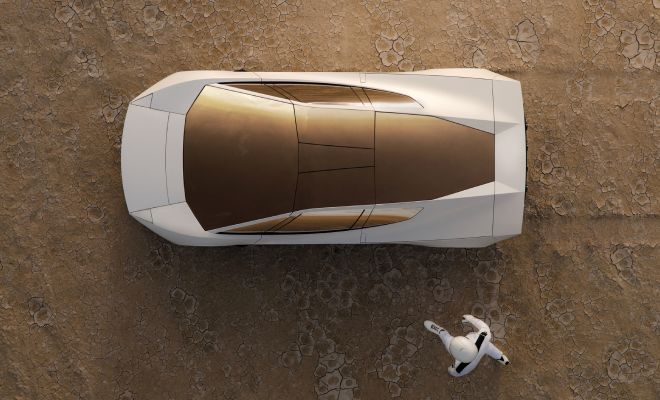
The look leans aviation more than classic sports cars: sharp silhouette, hidden headlights, a slippery body. Claimed materials include carbon fiber, magnesium, and titanium, plus a yoke instead of a round wheel.
Show stunts are only half the job. A production car still has to mix weird tech with predictable handling, real brakes, and proper safety.
2028: the date to watch
The new Roadster story started in 2017, and launch dates kept slipping. Tesla now points to 2028 for production start.
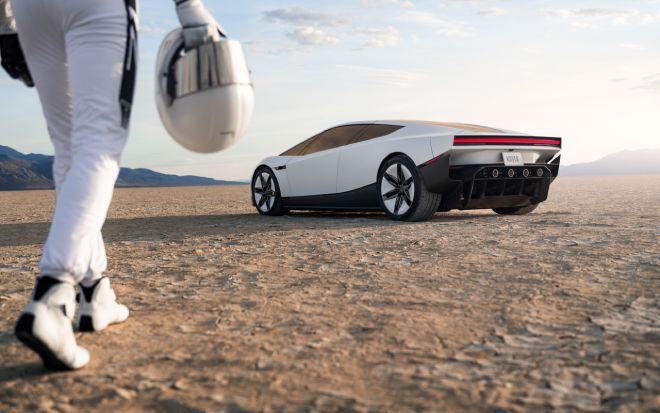
The Roadster could be more than another fast EV: a demo of how aerospace ideas rewrite what a car can do. First Tesla has to turn a flashy prototype into a street product and say which of the shown tricks owners actually get.
Maybe the real point is not the sprint time or even the thrusters. Tesla is trying to make a car into something bigger than a ride. Whether the production machine can back the sci-fi pitch is still the open question.