There is a metal that today sells for more than $9,000 a troy ounce, occurs in Earth’s crust in microscopic amounts, and is mined at roughly 30 tons a year. Yet its main use is tied to ordinary cars. Rhodium works inside the catalytic converter, helping clean exhaust. Why did this rare, costly metal end up where almost nobody notices it?
Rhodium costs far more than gold, but even a high price does not fully explain its value. The main reason is elsewhere: it is one of the rarest metals mined at only a few dozen tons a year. And it is all the more surprising that the main consumer remains ordinary automotive industry.
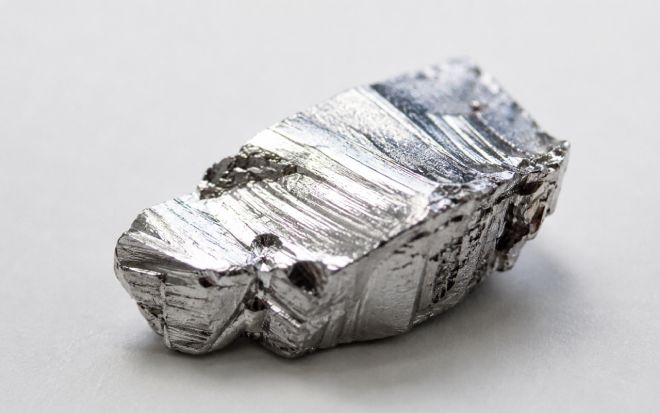
Rhodium belongs to the platinum group and is considered the rarest of stable metals. Its content in Earth’s crust is estimated at just 0.000037 ppm. Industrially, rhodium is not mined from separate “rhodium ore,” but mainly as a by-product of processing ores of other platinum-group metals, nickel, and copper. Global production is about 30 tons a year.
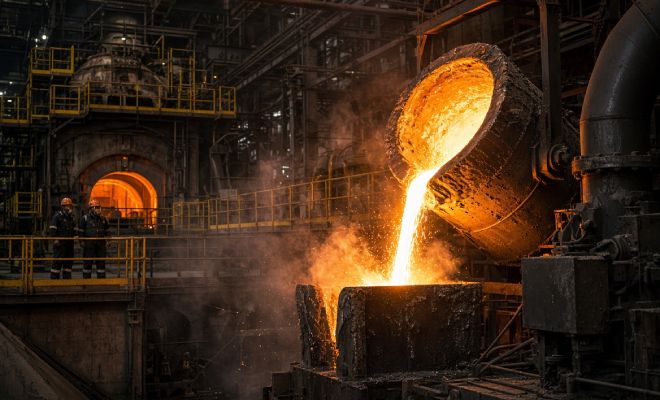
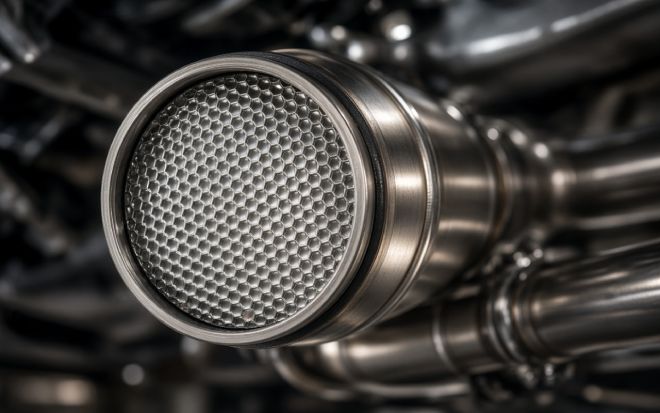
That makes its main application even more unexpected. About 80% of rhodium use goes to automotive catalytic converters. Inside the catalyst it is needed above all to remove nitrogen oxides from exhaust. Rhodium speeds the chemical reaction in which nitrogen oxides turn mainly into nitrogen and oxygen. The metal itself acts as a catalyst, not as a consumable reagent.
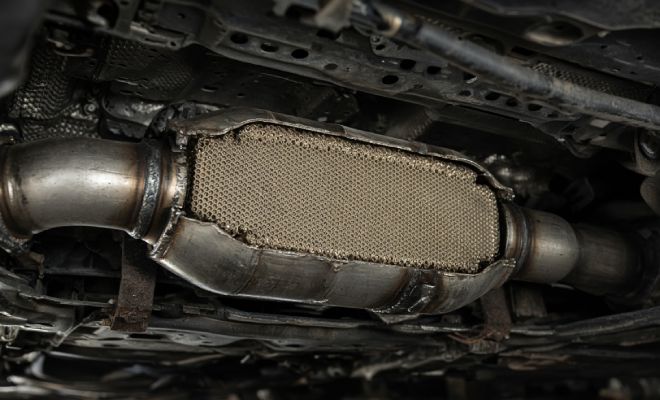
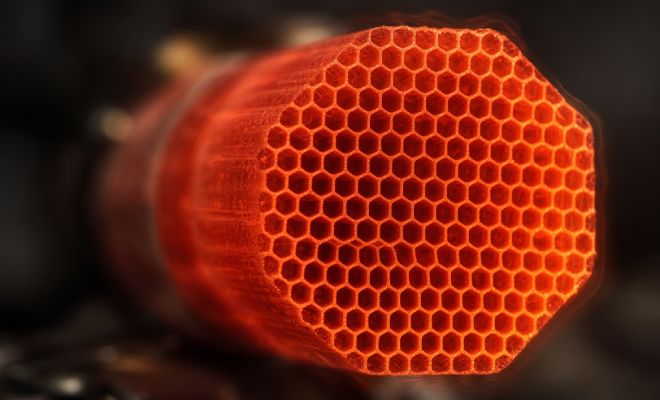
The reason for choosing rhodium is not that automakers are willing to overpay for a rare metal. It simply has a combination of properties hard to match with cheaper material: high catalytic activity, corrosion resistance, and the ability to work at high temperatures. Rhodium’s melting point is about 1,963 °C.
The scale of automotive demand shows clearly in Johnson Matthey statistics. In 2026 the company forecasts a 6% drop in rhodium use by automakers amid lower gasoline-car output. At the same time the rhodium market may move to a small surplus for the first time in several years: supply is growing partly thanks to recovery from recycling old automotive catalysts.
That is an important part of the story. Rhodium is so expensive that it pays to return it to production after a car is scrapped. An old catalyst becomes a source of precious metals, not just automotive scrap.
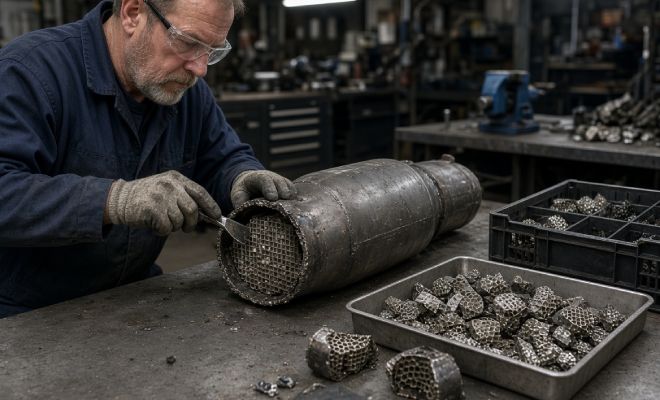
Rhodium’s future now depends largely on how many internal-combustion cars remain in the world. Electric vehicles do not need catalytic converters, but hybrids and plug-in hybrids still use internal-combustion engines and exhaust aftertreatment. Johnson Matthey expects such cars to support demand for platinum-group metals in the coming years.
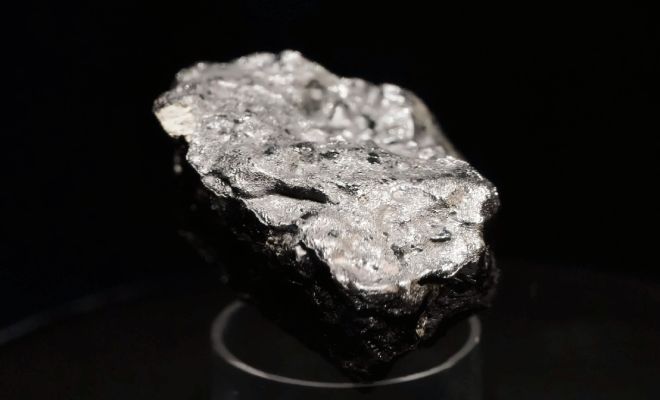
It is almost a paradox. Rhodium is so rare that annual output can be measured in tens of tons, and the price of one ounce is well above gold. Yet most of this metal goes not into vaults or jewelry, but into automotive catalysts.
Next time you look at the small metal part under a car, remember: inside it may be one of the rarest and most expensive metals known to industry.