A gold bar sits behind glass, with a small opening your hand fits through easily. It looks like you could take real gold in seconds, yet most people fail. The secret is not magnets or hidden mechanisms. It is simple physics: heavy weight, an awkward grip, and limited space turn an easy-looking task into a real test.
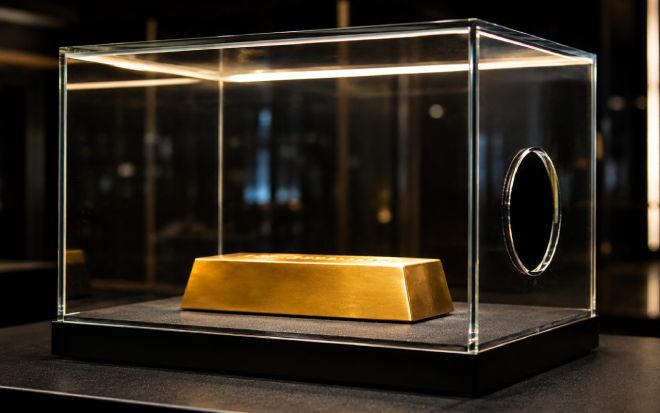
You find machines like these in malls and tourist spots across Asia and the Middle East. Contestants try to pull out a real gold bar that becomes their prize if they succeed.
At first it seems simple: the hand goes in, fingers wrap the metal, then you pull. That is exactly where the problem starts.
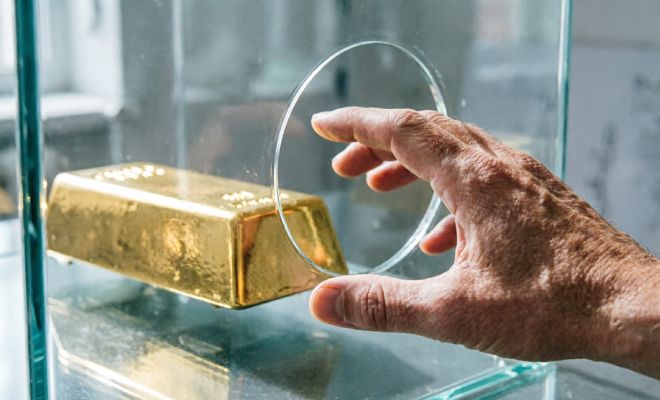
Some machines use a bar that weighs about 20 kg. It looks compact, but gold’s high density makes that brick hard to hold with one hand, especially through a small opening.
An empty hand slides in easily because you can curl your fingers and change wrist angle. After you grab the heavy bar, the hand is less flexible and the grip grows bulkier. The harder you squeeze to hold the gold, the harder it is to pull back out.
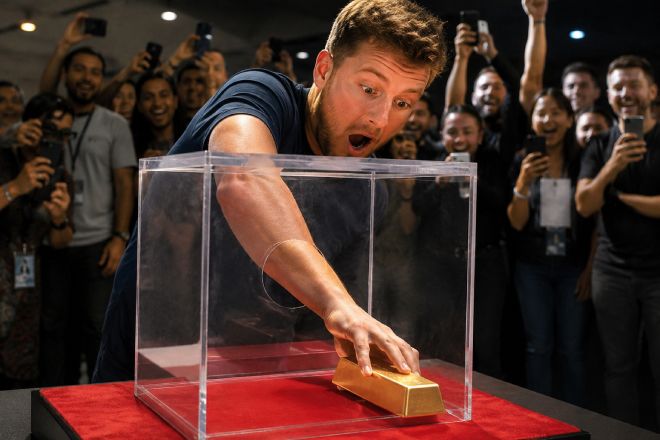
Winners still exist. They usually rely on technique, not brute force alone. A common move is rotating the bar to the right angle to cut resistance on the way out. Instead of a sharp yank, they gradually shift the brick and wait for the moment it clears the opening more easily.
Grip matters too: hold the bar securely without clamping so hard that the hand stiffens and takes more space. A sudden jerk tenses the muscles and makes the exit even tighter.
The main secret of these machines is simple: winning takes precision and an understanding of how the challenge is built, not strength alone.